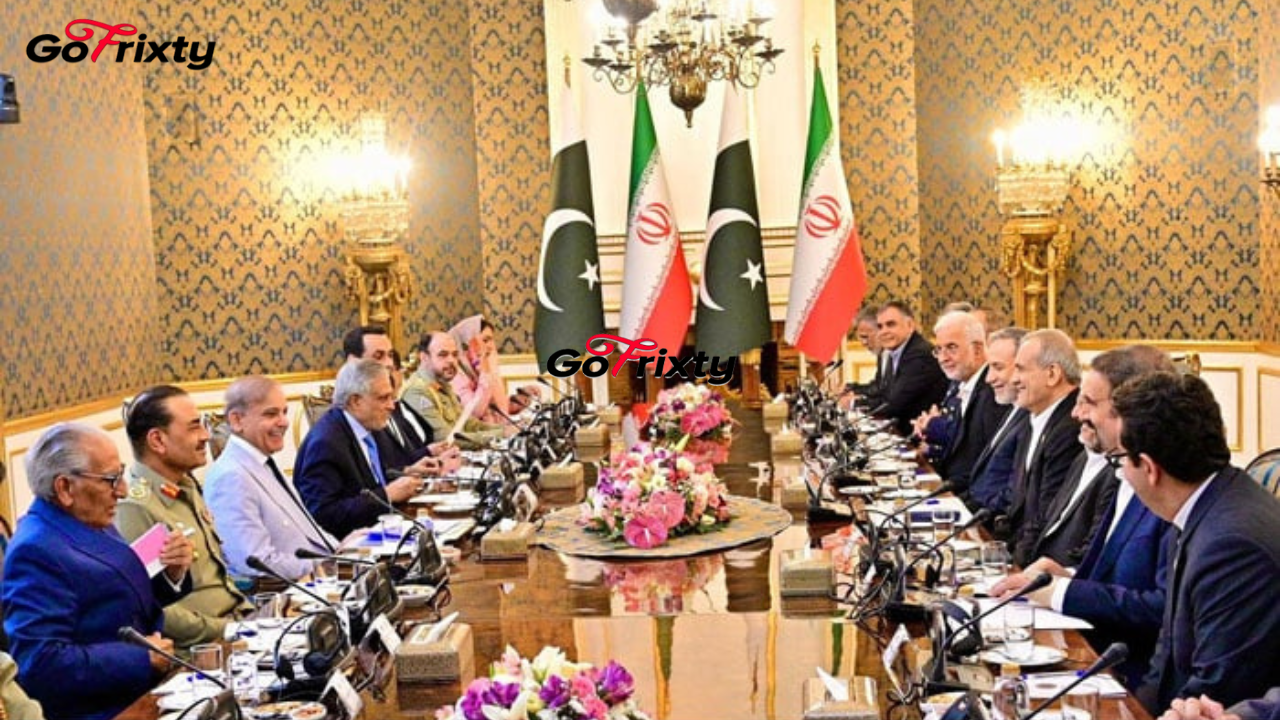
Tensions between Pakistan and India always draw attention, but PM Shehbaz Sharif’s recent visit to Tehrase added a new twist. Sharif put the focus back on peace, urging India to settle disputes through direct talks. This move comes when the relationship between the two neighbors feels especially fragile.
Sharif’s statement carries weight, given the history between these countries. With both sides facing political and economic pressures at home, calls for dialogue could offer a way forward. Many in the region are watching closely, hoping leaders take steps that put people before politics.
His call isn’t just another headline. In today’s tense environment, even small gestures can create openings for bigger conversations. The message is simple—real progress comes from sitting down and talking, not trading barbs.
If India responds, it could mean a break from the usual cycle of blame and silence. That’s good news for millions who want stability and a future where neighbors work things out, not just talk past each other.
PM Shehbaz Sharif’s Visit to Tehrase: Purpose and Key Events
PM Shehbaz Sharif’s visit to Tehrase has everyone talking—regionally and internationally. This stop wasn’t just a political gesture. Sharif sent a clear message to both India and the world: there’s real urgency to settle issues through peaceful talks. The visit packed in important diplomatic moves, meetings with top officials, and statements that grabbed headlines in both countries.
Diplomatic Goals of the Visit: Summarize Pakistan’s diplomatic agenda and expected outcomes
Sharif’s team went to Tehrase with a clear set of goals in mind. At the heart of the visit was a push for open dialogue with India, not just more finger-pointing. The trip also aimed to:
- Reopen discussions on disputes like Kashmir without preconditions.
- Encourage both governments to avoid steps that spark tension.
- Reassure neighboring states and global partners that Pakistan values regional peace.
Sharif stressed that Pakistan wants stable ties, not just a temporary fix. His message made it clear that his government seeks:
- A return to the negotiating table.
- Reduction in military standoffs near the border.
- Support from global organizations for new peace efforts.
This approach looks familiar but marks a shift in tone—more open, less hostile.
Major Meetings and Statements: Highlight who PM Shehbaz met, what was discussed, and key statements regarding India
During his stay, PM Shehbaz met with top Tehrase officials, regional diplomats, and even members of civil society:
- Met the Governor of Tehrase to talk about border stability and humanitarian concerns.
- Held joint briefings with international peace observers stationed in the area.
- Sat down with community leaders and rights advocates to hear local worries.
The most talked-about moment? Sharif’s statement urging India to “drop the rhetoric and start real talks,” which many saw as an olive branch. He called for:
- Resuming high-level meetings between Islamabad and New Delhi.
- Concrete steps to lower hostilities along active borders.
- Joint economic projects that benefit people on both sides.
Sharif’s words sounded different from the usual fiery speeches. Instead of blame, he talked about hope for “a common future built on honest dialogue.” That shift made waves—not just in Pakistan and India, but in every place that wants to see the region move past conflict.
The visit, packed with symbolic moves and direct appeals, signals a possible new chapter. Whether India responds remains to be seen, but it’s clear Sharif has set a different tone, opening the door for real conversations ahead.
Analysis of PM Shehbaz’s Call for Dialogue with India
PM Shehbaz’s public call for dialogue with India during his Tehrase visit did more than grab headlines—it pushed for a reset in a strained relationship. By putting direct talks front and center, he sent a message that Pakistan wants to leave behind decades of mistrust, border standoffs, and economic blockades. This isn’t just politics as usual. The timing matches a long pattern of stop-and-go interactions that have shaped how these two nuclear neighbors see each other.
Read More:
Pakistan Blames India for Khuzdar Bus Attack, Cites Use of Militant Proxies
Meeting of the Economic Team with Dar and PM Shehbaz Sharif
Key Issues Between Pakistan and India
Any effort to encourage new talks must face old problems first. Here are the main issues standing between Pakistan and India:
- Kashmir Dispute: The region of Jammu and Kashmir is the flashpoint. Both countries claim it, and several wars have been fought over its status. Heavy military presence and regular clashes keep the border tense.
- Border Tensions: Even outside of Kashmir, the long border sees frequent flare-ups. Small incidents can quickly spark military standoffs or diplomatic shutdowns.
- Trade Barriers: Formal trade between the two is almost frozen. Tariffs, restrictions, and outright bans keep economic ties at a crawl, hurting people and businesses on both sides.
The roots of these problems go back decades. The trauma of partition, national identity, and water rights all shape the undercurrent of suspicion.
Previous Approaches to Conflict Resolution
PM Shehbaz’s emphasis on talk over tactic echoes earlier attempts, with outcomes that have usually fallen short. Here’s a quick look:
- Simla Agreement (1972): Both countries agreed to settle disputes peacefully after the 1971 war, but the Kashmir issue never left the table.
- Composite Dialogue (1997-2008): A major effort where negotiators tried to address all issues, including Kashmir and trade. Talks broke down after terror attacks and political unrest.
- Backchannel Contacts: Sometimes, trusted advisors did the talking in secret, but breakthroughs were rare.
- Recent Standstills: Escalations at the border over the last decade have undone most progress. Diplomatic ties often drop to an all-time low after high-profile incidents.
That’s why dialogue got special attention on this visit. Every previous push began with leaders meeting face-to-face—small steps that sometimes cooled tempers, sometimes didn’t. PM Shehbaz is betting that a direct, open invitation could help break the endless cycle of suspicion and missed chances, at least for now.
Reactions to PM Shehbaz’s Statement: National and International Perspectives
PM Shehbaz’s invitation for dialogue with India rolled out a wave of reactions at home, in India, and on the world stage. Some called it a much-needed reset, while others met the idea with skepticism or outright rejection. Let’s look at how key voices responded and what their statements reveal about the chances for a breakthrough.
Domestic Political Response in Pakistan: Outline government, opposition, and civil society viewpoints
Inside Pakistan, the statement set off strong debates across the political spectrum. The government played up the move as a sign of strong leadership and real vision. They said Sharif showed the world that Pakistan favors peace over posturing. Cabinet members made public comments about giving diplomacy another shot and working toward stability.
Opposition parties gave mixed reactions:
- Some praised the call for dialogue, saying it matches what Pakistanis want—less tension and more focus on jobs and daily life.
- Others doubted India could be trusted and warned the government not to look weak on key issues like Kashmir and border security.